
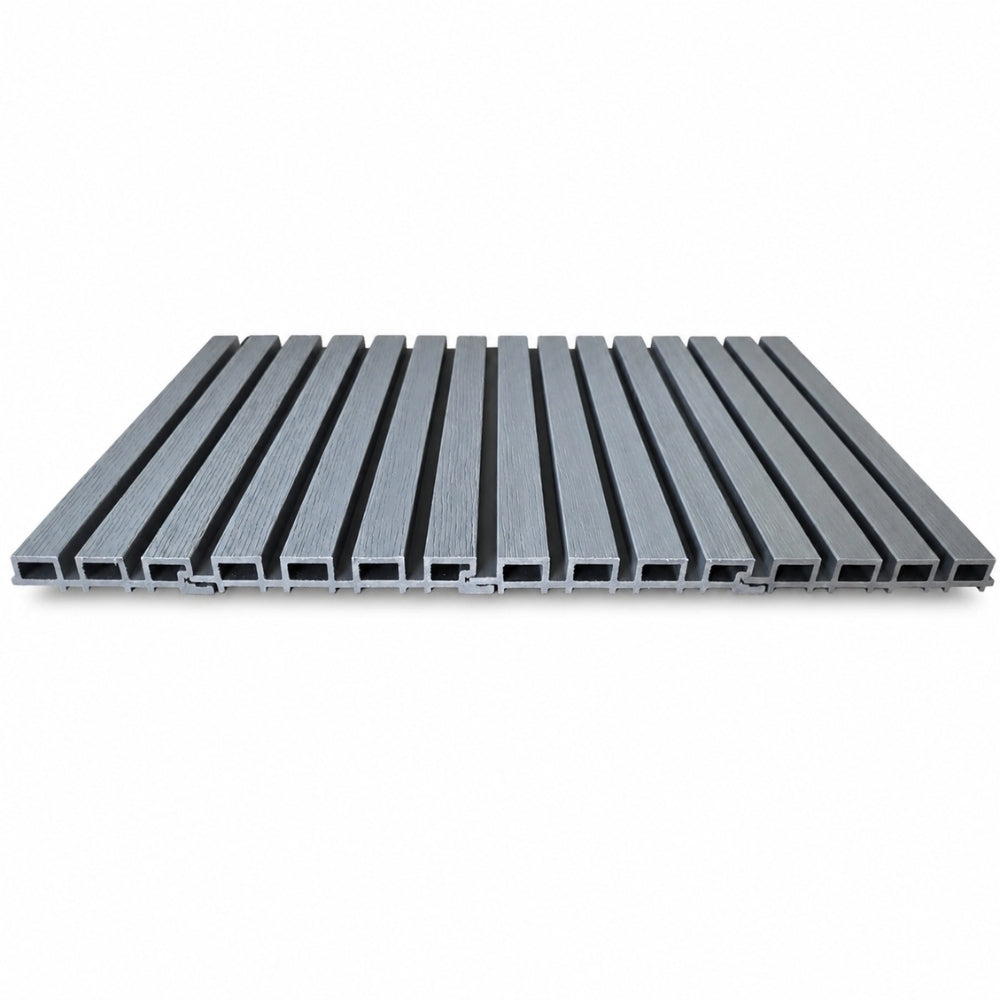
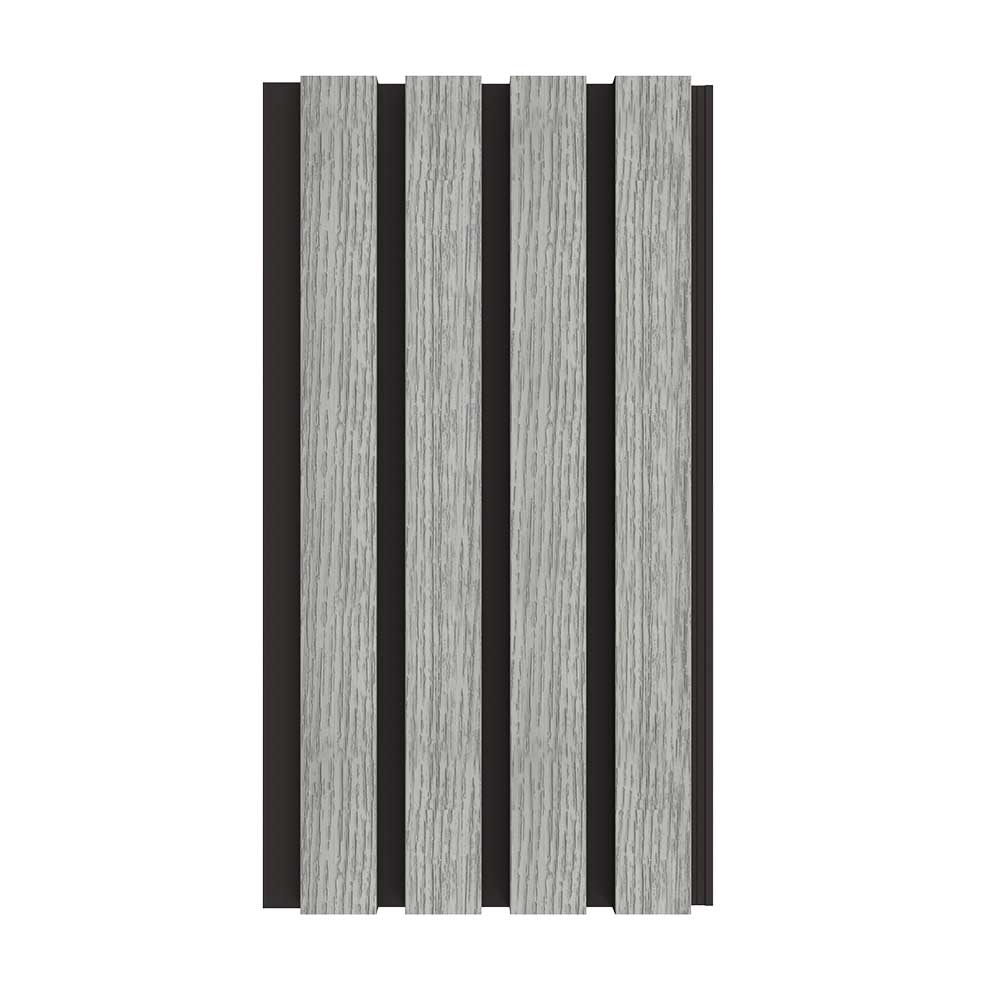
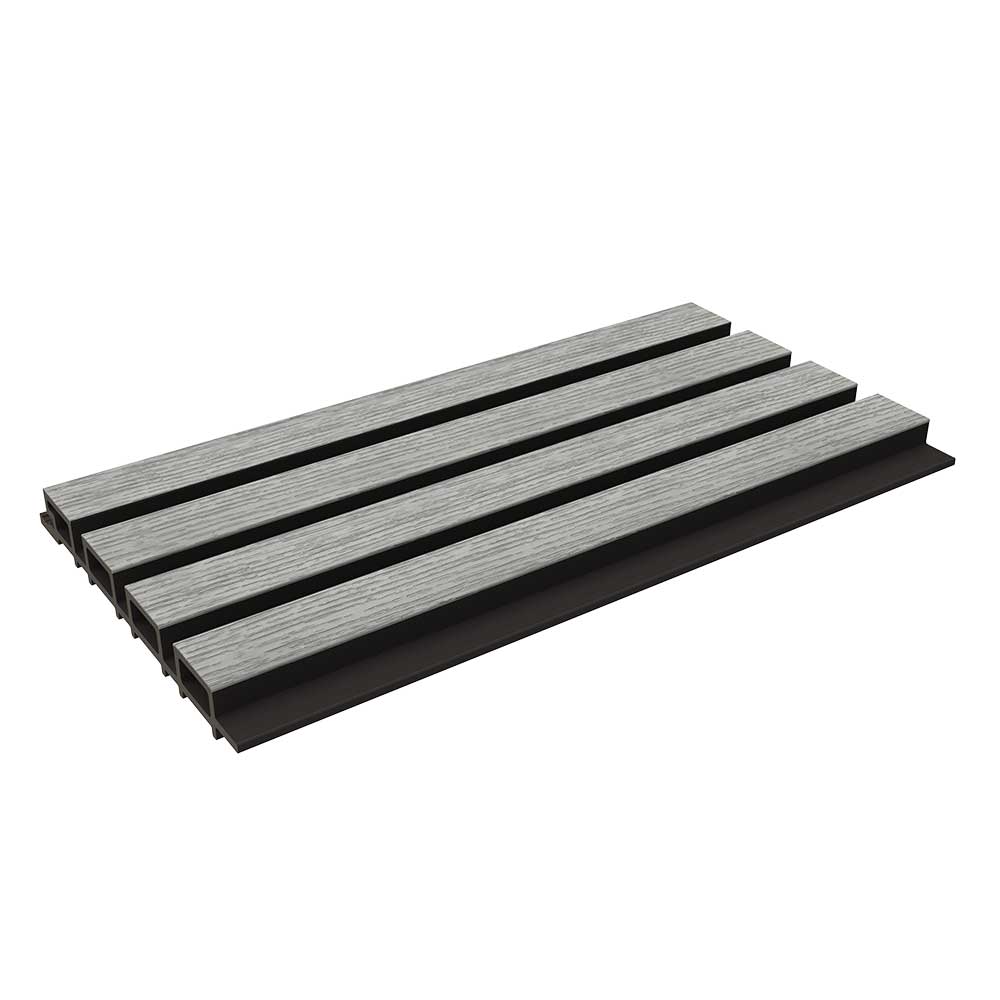
2.6M Silver Grey WPC Exterior Wall Cladding
Delivery
We offer FREE delivery on orders of £120 and above across Mainland England and Wales. Standard delivery on orders under £120 is charged at £24.99. Deliveries take 3 to 6 working days, depending on your location. Orders are processed the first working day after the initial purchase.
All deliveries are handled by our own team of professionals — we do not use external couriers, ensuring your panels arrive safely and on time.
For full details, please see our Delivery Policy.
Click & Collect
All the products on Easy Panels are available for immediate pickup from our stores in Aberdare, South Wales and Bournemouth. Simply select "Pickup in Store" during checkout. More info here.
Free WPC Cladding Samples Available!
Looking for some free decking samples? Just fill out our Sample Request Form and you can order two WPC Cladding Board samples, along with shower and bathroom wall panel, flooring, composite decking, WPC cladding and 4mm solid core panel samples for free!
We also have acoustic panel samples and Aquaguard samples, but there is a postage charge of £3.60 due to the weight and size of the samples.
Description
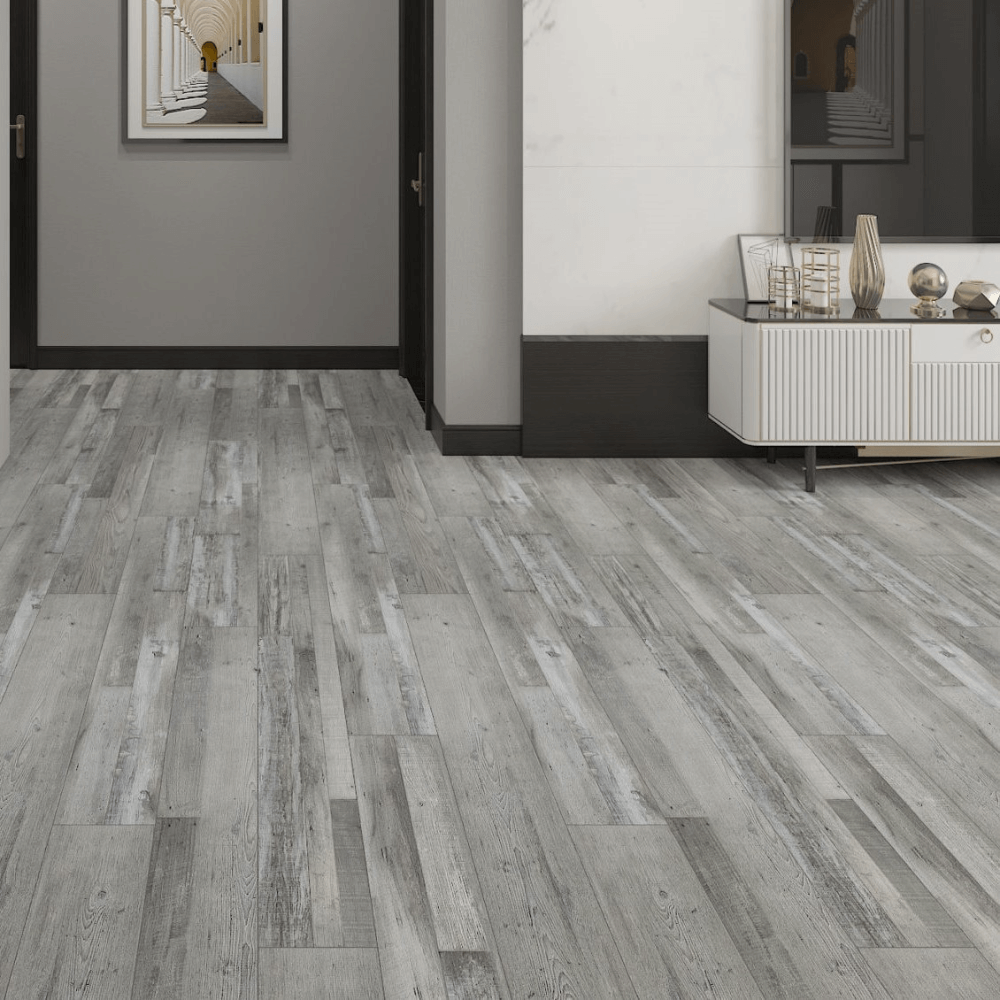
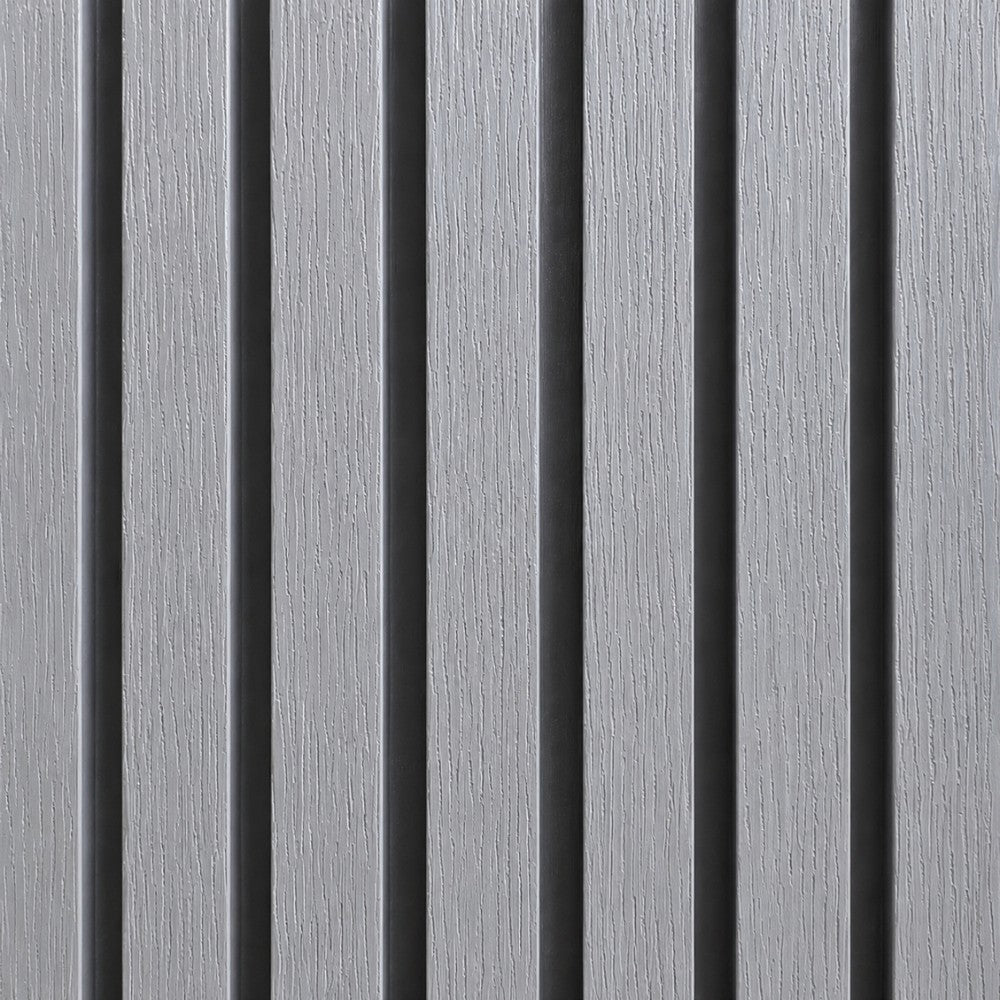
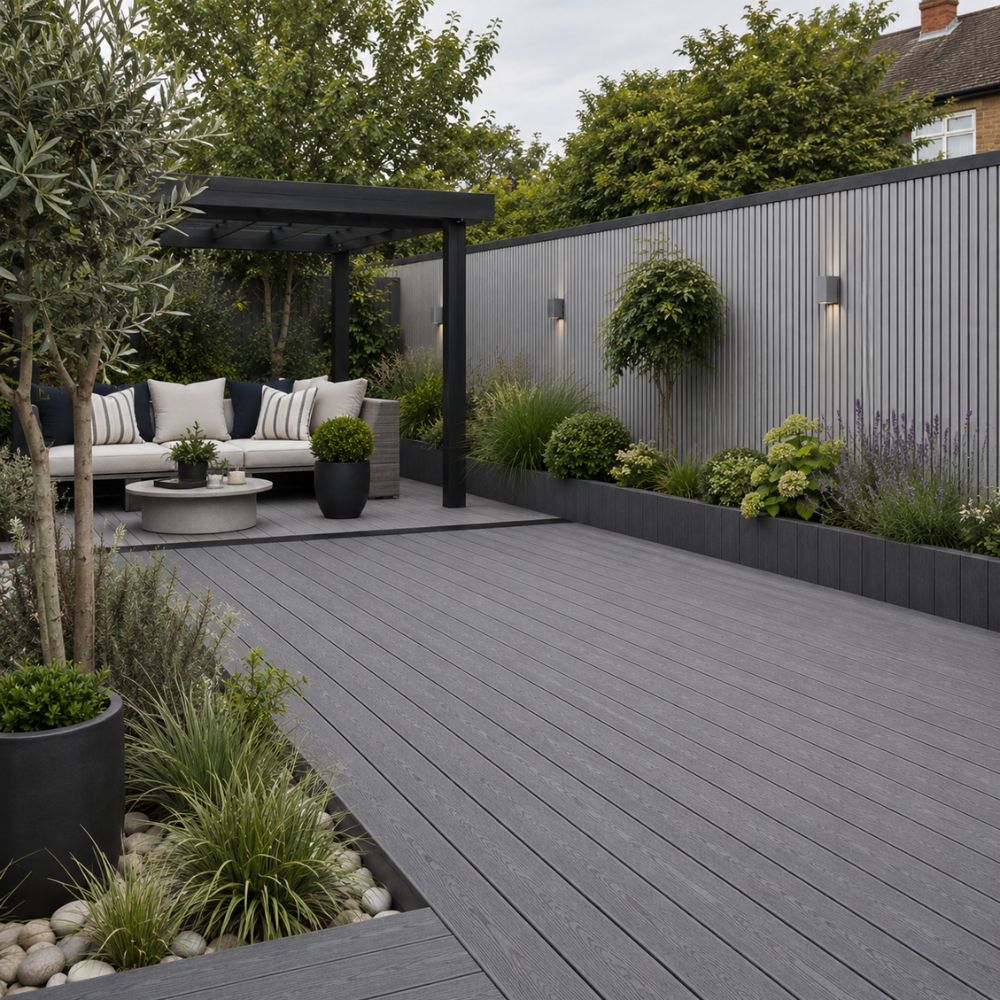
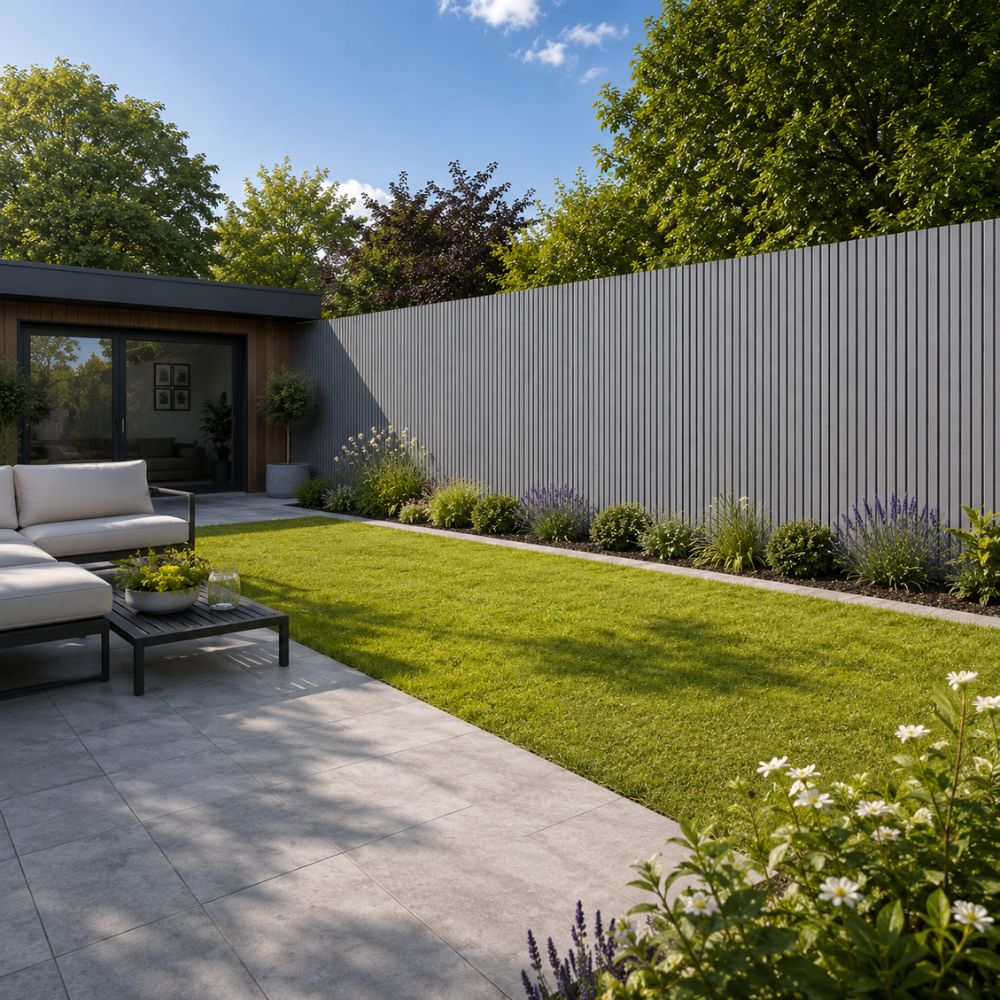
Our 2.6M Silver Grey WPC Internal & Exterior Wall Cladding delivers a contemporary slatted finish that brings warmth, depth and architectural interest to any exterior or interior space. Combining the natural look of timber with advanced composite construction, it’s designed to transform façades, garden rooms, and more with a clean, modern aesthetic.
Made from a durable wood–plastic composite, it offers excellent resistance to weathering, rot, fading and insect damage, ensuring long-lasting performance in all conditions. The slatted profile creates a striking, high-end look, while its low-maintenance design means no painting, staining or sealing is required – giving you a hassle-free, long-term solution for exterior cladding.
Key Features
- Suitable for internal and exterior use – ideal for feature walls, media spaces, façades and gardens
- Modern Silver Grey tone with a contemporary slatted design – adds depth and architectural interest
- Composite construction – combines the look of real timber with enhanced durability
- Weather-resistant and hard-wearing – performs in rain, UV exposure and temperature changes
- Resistant to rot, fading and insect damage – reliable in all environments
- Low maintenance solution – no painting, staining or sealing required
- Interlocking boards with hidden fixings – creates a clean, seamless finish
- Versatile application – perfect for both residential and commercial projects
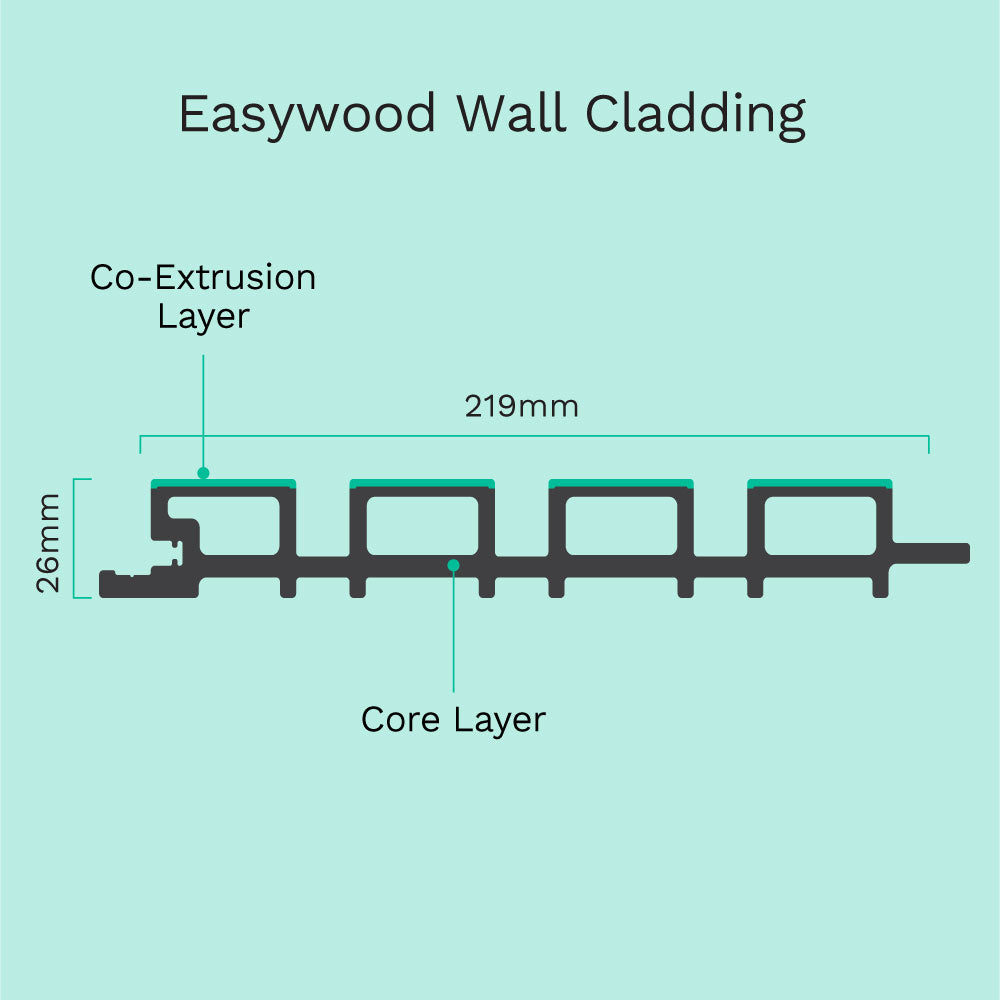
Dimensions: Length: 2.6M x Width: 219mm x Depth: 26mm
Installed with our Silver Grey WPC Cladding Trims.
Product Specification
What tools might I need?
You may need:
- WPC cladding boards
- Matching starter, external corner and L trims
- Treated timber, composite or aluminium battens
- Suitable wall plugs and masonry fixings
- Exterior-grade, corrosion-resistant screws
- Tape measure
- Spirit level or laser level
- Pencil or chalk line
- Drill and appropriate drill bits
- Mitre saw, circular saw or fine-toothed hand saw
- Fine-tooth, carbide-tipped blade suitable for composite materials
- Screwdriver or impact driver
- Rubber mallet
- Clamps
- Safety glasses
- Dust mask
- Work gloves
- Access equipment where required
Always use fixings that are appropriate for the wall construction and expected wind loading.
Installation
WPC Exterior Wall Cladding Installation Guide
This guide explains how to install our 2.6m WPC Exterior Wall Cladding Boards and matching trims. It is intended as general guidance for competent DIY installers and tradespeople.
WPC expands and contracts as temperatures change, so correct ventilation, support spacing and expansion gaps are essential. The cladding must not be fixed directly against the wall or installed so tightly that the boards cannot move.
Important: Every building and installation is different. Check that the wall, fixings and supporting framework are suitable for the intended application. For large elevations, exposed locations, buildings subject to fire regulations or installations above ground-floor level, consult a qualified installer or building professional.
Product dimensions
WPC cladding boards
- Length: 2.6M
- Width: 219mm
- Depth: 26mm
External corner trims
- Length: 2.6m
- Width: 56mm
- Depth: 56mm
Starter trims
- Length: 2.6m
- Width: 40mm
- Depth: 60mm
L trims
- Length: 2.6m
- Width: 40mm
- Depth: 60mm
Tools and materials required
You may need:
- WPC cladding boards
- Matching starter, external corner and L trims
- Treated timber, composite or aluminium battens
- Suitable wall plugs and masonry fixings
- Exterior-grade, corrosion-resistant screws
- Tape measure
- Spirit level or laser level
- Pencil or chalk line
- Drill and appropriate drill bits
- Mitre saw, circular saw or fine-toothed hand saw
- Fine-tooth, carbide-tipped blade suitable for composite materials
- Screwdriver or impact driver
- Rubber mallet
- Clamps
- Safety glasses
- Dust mask
- Work gloves
- Access equipment where required
Always use fixings that are appropriate for the wall construction and expected wind loading.
Before installation
Store the boards correctly
Store the boards:
- Flat and fully supported
- Off the ground
- In a dry, well-ventilated area
- Away from direct heat
- Protected from impact and scratching
Do not store the boards leaning against a wall for extended periods, as this may cause them to bow.
Allow the boards to acclimatise near the installation area before fitting. Some composite-cladding manufacturers recommend approximately 48 hours, although the exact requirement depends on the product and conditions.
Check the wall
The supporting wall must be:
- Structurally sound
- Clean and reasonably level
- Free from loose render, crumbling masonry and vegetation
- Capable of supporting the battens and cladding
- Properly weatherproofed before the cladding is installed
The WPC cladding is a decorative rainscreen finish. It should not be relied upon as the building’s primary waterproof barrier.
Any required breathable membrane, flashing, cavity barriers or insulation should be installed before the battens and cladding.
Plan the layout
Before fixing anything, determine:
- Whether the boards will run vertically or horizontally
- The position of corners, windows, doors and other openings
- Where full and cut boards will be placed
- The location of starter trims and finishing trims
- How joints will be supported
- How ventilation will enter and escape from behind the cladding
Measure the wall carefully and plan the layout to avoid leaving a very narrow cut board at the final edge.
Batten orientation
The battens must run in the opposite direction to the cladding boards.
- For vertical cladding boards, install the battens horizontally.
- For horizontal cladding boards, install the battens vertically.
This provides regular support across the back of every board.
Where horizontal battens are used, the cavity must still allow water to drain and air to circulate vertically. Counter-battens or suitable drainage and ventilation breaks may, therefore, be required.
Batten spacing
As a general starting point, install battens at a maximum of approximately the following:
- 300mm to 400mm centres
Also position battens:
- At both ends of every board
- Around windows and doors
- Along internal and external corners
- Behind every board joint
- Wherever trims require support
- Around lights, cables, vents or other penetrations
Published guidance varies considerably by WPC profile, with some systems specifying approximately 300mm centres and others allowing up to 500mm. Your final batten spacing should therefore be confirmed with the board manufacturer or supplier, particularly for exposed exterior elevations.
Use additional battens in areas subject to increased wind loading.
Ventilation cavity
Do not install the cladding directly against masonry, render, insulation or membrane.
Maintain a continuous ventilated cavity behind the boards. A cavity of approximately 20mm to 25mm is commonly required for exterior composite cladding systems.
The cavity should:
- Remain open at the bottom and top
- Allow moisture to drain away
- Allow air to circulate behind the boards
- Be protected against insects where necessary
- Not be blocked by adhesive, sealant or insulation
Use suitable ventilated profiles or insect mesh where required, without preventing airflow.
Expansion gaps
WPC moves naturally as temperatures rise and fall. Never install the boards tightly against walls, trims, roofs, paving, window frames or other fixed objects.
Unless your product-specific technical information states otherwise, allow approximately the following:
- 5mm between board ends or butt joints
- 5mm to 8mm around fixed objects, trims and openings
- A suitable gap at the top and bottom of the installation
- Additional movement allowance across particularly long elevations
Several composite-cladding systems specify an end-to-end expansion gap of at least 5mm.
Do not fill required expansion gaps with rigid adhesive or sealant.
Expansion requirements vary according to board composition, board length and installation temperature. Confirm the final gap with your supplier before publishing it as a fixed warranty requirement.
Installation instructions
1. Mark the installation area
Use a tape measure and spirit or laser level to mark:
- The bottom of the cladding area
- The position of every batten
- The location of corners and openings
- The finished position of trims
Make sure the starting line is completely level. Any error in the first board will become more noticeable as the installation continues.
Where the cladding begins close to the ground, leave enough clearance to prevent standing water, soil, vegetation or splashback from constantly contacting the boards.
2. Install the battens
Position the first batten at the edge of the installation area and secure it to the wall using appropriate fixings.
Continue fitting the remaining battens at consistent centres.
Check that:
- Every batten is straight
- The faces of all battens sit in the same plane
- The framework is level and plumb
- All board ends and joints will be supported
- The wall fixings penetrate into a suitable structural substrate
- The ventilation cavity remains continuous
Use packers where necessary to create an even fixing surface. Do not force flexible boards over an uneven framework.
Leave small breaks where required for drainage and ventilation rather than creating enclosed sections that can trap water.
3. Fit corner and perimeter trims
Install any trims that need to sit behind the cladding before fitting the first board.
Depending on the design, this may include:
- External corner trims
- Starter trims
- L trims around windows and doors
- Bottom or side finishing profiles
Fix trims into the supporting battens rather than only into the cladding boards.
Keep all trims straight and allow the required expansion clearance between the board ends and the inside of the trims.
External corner trims
Use external corner trims where two clad walls meet at an outside corner.
Make sure:
- Both sides of the corner are properly battened
- The trim is straight and plumb
- Each adjoining board remains fully supported
- The boards have room to expand inside or alongside the trim
L trims
Use L trims to:
- Finish exposed board edges
- Frame windows and doors
- Create a defined perimeter
- Cover suitable transitions between cladding and adjoining surfaces
Where possible, cut trim corners using neat mitre joints.
Starter trims
Use starter trims at the beginning of the cladding layout or where the product profile requires an enclosed starting edge.
Set the starter trim perfectly level, as it controls the alignment of the boards that follow.
4. Measure and cut the first board
Measure the required length at more than one point, as walls and openings may not be perfectly square.
Mark the board and cut it using a fine-toothed blade suitable for composite material.
Support the board on both sides of the cut to prevent vibration or damage.
Wear suitable eye and respiratory protection. WPC cutting dust should not be inhaled.
After cutting:
- Remove loose dust and swarf
- Check that the cut is square
- Test-fit the board
- Confirm the required expansion clearance
5. Install the first cladding board
Place the first board into the starter trim or against the marked starting position.
Check that it is:
- Level or plumb, depending on orientation
- Correctly positioned
- Fully supported by the battens
- Not resting on the ground
- Not tightly trapped between trims
Fix the board through the designated fixing flange or concealed fixing area.
Where screws pass through the WPC:
- Pre-drill the fixing holes
- Make the pilot hole slightly larger than the screw shank where movement is required
- Position the screw centrally in the fixing area
- Drive the screw straight
- Do not overtighten
The screw head should hold the board securely without crushing, distorting or clamping the profile so tightly that it cannot move.
Do not fix through the visible slatted face unless the system specifically requires it.
6. Install the remaining boards
Engage the next board with the interlocking edge of the previous board.
Push it into position carefully, ensuring that:
- The joint is fully engaged
- The board remains straight
- The slatted spacing is consistent
- The ends remain supported
- Expansion clearance is maintained
Fix the new board into every supporting batten through its concealed fixing flange.
Continue across or up the wall, checking the alignment every few boards. Do not wait until the final board to correct a developing level or alignment problem.
A rubber mallet may be used gently with a protective block. Do not strike the board directly with a metal hammer.
7. Form board-end joints
Where two boards meet end to end:
- Support each board end independently
- Use two adjacent battens where required
- Do not leave either board end unsupported
- Maintain the required expansion gap
- Stagger joints where appropriate for the chosen layout
Never bridge a butt joint with a single screw positioned too close to both board ends.
For the neatest finish, plan joints so that they align consistently or are positioned in less prominent areas.
8. Clad around windows and doors
Install additional battens around the full perimeter of openings.
Before cutting the boards:
- Measure each opening carefully
- Allow for the finishing trim
- Allow the necessary movement gap
- Check that any sill flashing can drain freely
- Make sure the cavity is not blocked
Cut the boards neatly and finish the exposed edges using matching L trims or the appropriate perimeter profile.
Do not obstruct drainage channels, window weep holes, vents or air bricks.
Water must be directed away from the opening using properly installed flashing or weatherproof detailing. Decorative trims alone should not be treated as waterproof flashing.
9. Install the final board
Measure the remaining space and cut the final board to width where necessary.
Do not force an oversized board into the gap.
Fit the board while maintaining the appropriate expansion clearance, then secure it into the supporting battens.
Where the fixing flange has been removed during cutting, the final edge may need to be secured using the appropriate trim or another manufacturer-approved concealed fixing method.
10. Fit the finishing trims
Install the remaining external corner, L or finishing trims.
Check that:
- All cut edges are neatly covered
- Corners are straight
- Mitred joints close neatly
- Fixings are concealed where possible
- Drainage and ventilation openings remain clear
- The cladding is not tightly pinched by the trim
Remove all cutting dust, protective film and installation debris.
Important installation rules
DO
- Install the boards onto a straight, secure batten framework.
- Maintain continuous rear ventilation.
- Use corrosion-resistant exterior fixings.
- Pre-drill the WPC where required.
- Support every board end and joint.
- Allow for expansion and contraction.
- Check alignment regularly.
- Use proper flashing around windows, doors and roof junctions.
- Keep air bricks, vents and drainage routes unobstructed.
- Follow applicable planning and Building Regulations requirements.
DO NOT
- Fix the cladding directly against an exterior wall.
- install boards without a ventilated cavity.
- Overtighten the screws.
- Glue every board rigidly to the framework.
- Fit boards tightly between fixed objects.
- Leave board ends unsupported.
- Block the top or bottom ventilation openings.
- Allow the boards to remain in standing water.
- Use the cladding as a structural component.
- Assume the cladding itself makes the wall waterproof.
- Install damaged, excessively bowed or defective boards.
Care after installation
WPC cladding requires very little routine maintenance.
For general cleaning:
- Remove loose dirt using a soft brush.
- Wash the boards with warm water and a mild household detergent.
- Use a soft cloth, sponge or non-metallic brush.
- Rinse with clean water.
- Allow the boards to dry naturally.
Avoid:
- Abrasive pads
- Wire brushes
- Strong solvents
- Bleach or aggressive chemical cleaners
- Painting, staining or sealing unless specifically approved
- Directing a pressure washer closely into board joints or ventilation openings
Inspect the installation periodically and remove leaves or debris from the ventilation cavity and lower edge.
Aftercare
WPC cladding requires very little routine maintenance.
For general cleaning:
- Remove loose dirt using a soft brush.
- Wash the boards with warm water and a mild household detergent.
- Use a soft cloth, sponge or non-metallic brush.
- Rinse with clean water.
- Allow the boards to dry naturally.
Avoid:
- Abrasive pads
- Wire brushes
- Strong solvents
- Bleach or aggressive chemical cleaners
- Painting, staining or sealing unless specifically approved
- Directing a pressure washer closely into board joints or ventilation openings
Inspect the installation periodically and remove leaves or debris from the ventilation cavity and lower edge.
Delivery & Collection Info
Home Delivery (England & Wales) available
or
Collection (South Wales) available from:
Address: Easy Panels, Robertstown Industrial Estate, Wellington Street, Aberdare, CF44 8HD.
Please note: For sat nav directions, please use the postcode CF44 8EZ.
Find us: Google Maps or What3Words.
Click here to view our Delivery Policy